Traditional vs. Modern Shawarma: What’s the Difference?
Exploring the Evolution of Shawarma from Tradition to Innovation
Exploring the art of food, flavors, and lifestyle. Sharing insights on business, branding, and gourmet experiences. Follow for expert tips and industry trends!
Shawarma has been a beloved dish for centuries, evolving from its traditional roots to more modern variations that cater to changing tastes and preferences. Whether served in a classic wrap or reimagined with innovative ingredients, shawarma remains one of the most iconic street foods in the Middle East and beyond. But what truly sets apart traditional shawarma from modern interpretations?
The Traditional Shawarma Experience
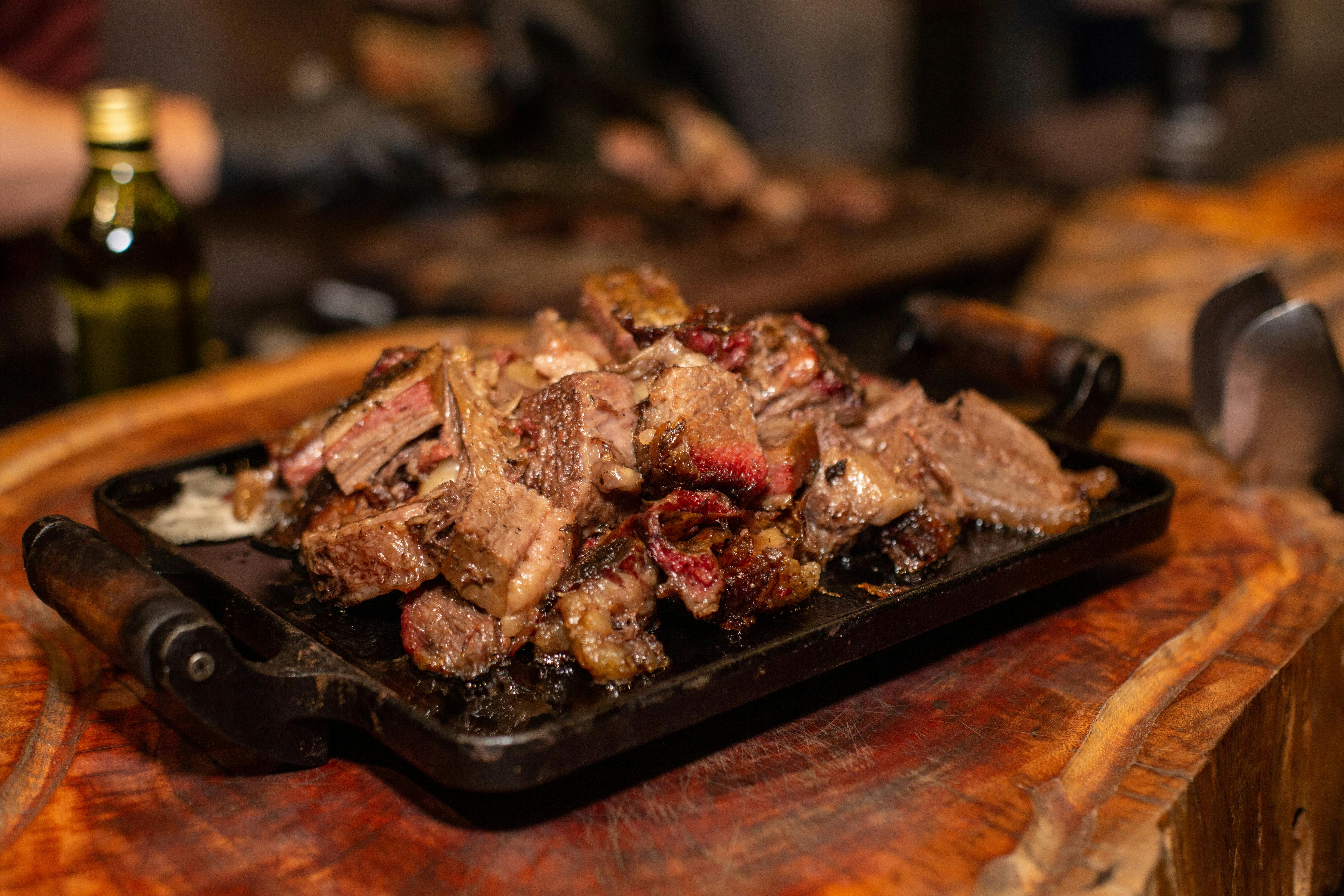
Shawarma originated as a slow-cooked, spit-roasted dish, prepared using time-honored methods. The process involves layering marinated meats, typically chicken, beef, or lamb, onto a vertical rotisserie and cooking it slowly for hours.
Key Features of Traditional Shawarma
Authentic Spices – Traditional shawarma recipes rely on classic Middle Eastern spices like sumac, cumin, cardamom, and garlic for a bold, aromatic flavor.
Slow Roasting Method – Cooking the meat on a rotating spit allows it to self-baste, ensuring tenderness while maintaining a crispy, flavorful crust.
Simple Yet Rich Flavors – Traditional shawarma keeps it simple with a thin pita wrap, garlic sauce or tahini, and pickles for a tangy contrast.
The authentic flavors of shawarma remain deeply rooted in Middle Eastern cuisine, where classic grilling techniques and traditional marinades define the dish. For those interested in charcoal-grilled flavors, exploring authentic shawarma techniques can provide deeper insights into its preparation.
The Rise of Modern Shawarma
As global food trends evolve, shawarma has adapted to contemporary preferences, leading to creative variations that push culinary boundaries. While traditionalists stick to the classic preparation, modern shawarma experiments with different ingredients, techniques, and presentations.
How Modern Shawarma Stands Out
Diverse Protein Choices – Beyond traditional lamb and chicken, modern shawarma offers grilled seafood, vegetarian, and even plant-based options.
Gourmet Wraps & Toppings – Instead of just pita or saj bread, some places use brioche buns, spinach wraps, or gluten-free alternatives.
Fusion of Global Flavors – Modern interpretations blend Middle Eastern spices with international flavors, resulting in variations like spicy shawarma tacos or shawarma rice bowls.
Health-Conscious Twists – Lighter, healthier versions using lean meats, minimal oil, and fresh, organic vegetables have become increasingly popular.
With the expanding food culture, modern shawarma has evolved to include diverse serving styles and unique flavor combinations while retaining the essence of Middle Eastern grilling traditions. Some of the best grilled shawarma variations can be found at popular shawarma destinations, offering a mix of both classic and contemporary flavors.
Traditional vs. Modern: Which One Wins?
Both traditional and modern shawarma have their loyal fans. While some prefer the deep-rooted flavors and simple approach of classic shawarma, others enjoy the experimental twists and variety that modern versions bring.
Why Both Have Their Place in Food Culture
✔ Traditional shawarma is ideal for those who appreciate authentic flavors, slow-roasted meats, and classic spice blends.
✔ Modern shawarma appeals to food lovers who enjoy new flavors, international fusions, and creative presentation styles.
Regardless of preference, shawarma continues to thrive, offering something for everyone. Whether sticking to tradition or embracing innovation, the UAE’s shawarma scene remains one of the best in the world.